First things first...
We acknowledge the Traditional Owners and Sovereign Custodians of the land on which we live and work. We extend our respects to their Ancestors and all First Nations peoples and Elders past, present, and future.

A pocket guide to harm reduction in the ACT
We acknowledge the Traditional Owners and Sovereign Custodians of the land on which we live and work. We extend our respects to their Ancestors and all First Nations peoples and Elders past, present, and future.
CAHMA is the Canberra Alliance for Harm Minimisation and Advocacy. Its services support the health and human rights of people who use drugs and people accessing drug treatment. CAHMA believes that people who use alcohol and/or drugs should be treated with dignity and respect as human beings and as health and community service users. CAHMA actively works to reduce the discrimination and stigma associated with substance use.
This app is part of our commitment to harm reduction, and keeping you and our community safe.
Play it Safe contains vital information where you need it: in your pocket, on your phone. Play it Safe provides you with critical information, including:
Play it Safe is your direct connection to CANTest. Find out how and where to get pills tested and get the latest alerts.
Play it Safe provides an interactive guide on dangerous drug combinations, a hydration checker and up-to-date legal and harm reduction information.
Look inside for more information on what CAHMA is doing in your community, and where and when it is happening.
Level 1, Belconnen Churches Centre
Corner of Cohen Street and Benjamin Way
Belconnen ACT 2617
Drop in: 10am–4pm weekdays. Relax with tea or coffee and chat with a peer support worker.
CAHMA staff and volunteers have a community-first attitude. We believe in inclusion, developing community and empowerment regardless of a person's choice to use substances. CAHMA recognises that harm reduction and building connection to community and services is at the heart of a safe community. This section of Play it Safe is where you will find out about how we connect to community.
Find out more about CAHMA in the community, our organisation, mission, harm reduction and peer support on our website.
Connect with CAHMA at community BBQs around Canberra. These locations appear in CAHMA’s October 2026 calendar; check the current calendar for dates and times before heading out.
See current BBQ dates & eventsNSP services provide access to needles and injecting equipment. They are also a point for the safe disposal of used equipment. Tap the finder below to locate your nearest NSP.
CAHMA is a peer organisation. This means you will be supported by someone who understands your journey and will support wellbeing, and work with you to build connection to services and your community. A big part of our peer treatment model is our drop in centre.
Peer workers offer a welcoming place to connect, harm reduction information, and support with health and wellbeing goals. Services include the drop-in centre, peer treatment support, naloxone training, and a health clinic.
The CAHMA Clinic is run bi-weekly on Thursdays from 10am-4pm. Located in our Belconnen drop in centre and is operated in conjunction with a fully certified doctor and nurse. The doctor and nurse are trusted Directions staff who understand our community and provide their services in a non-judgemental manner, with patient confidentiality being of utmost importance. Previous history with our service or Directions is required to secure an appointment, due to high demand.
Our Peer educators can help you see your veins, valves, and bifurcations not visible to the naked eye, leading to safer, more sustainable use. Our venoscope provides accurate, in-focus image of your veins.
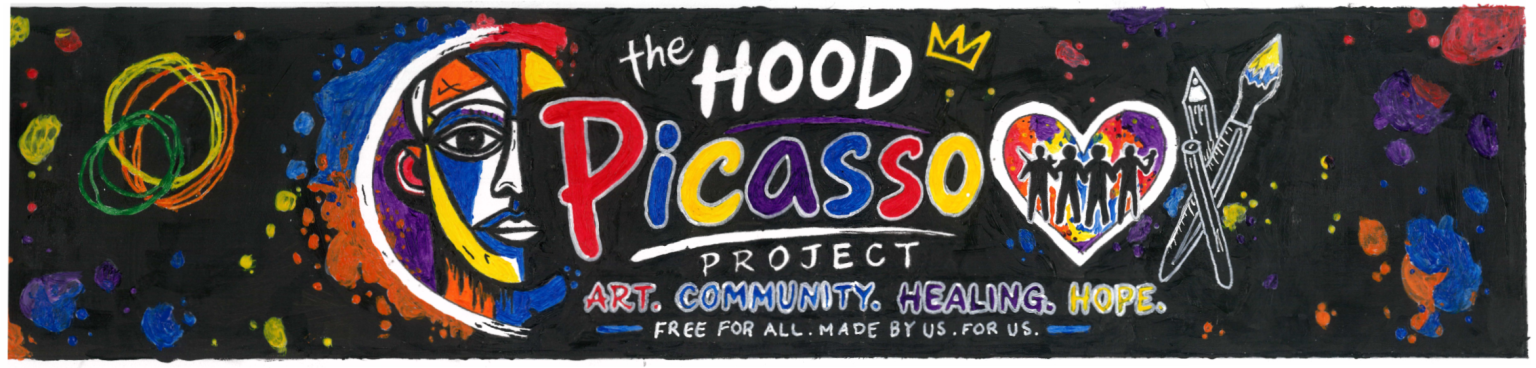
Art is a way to free the spirit and free the mind. At CAHMA we take this seriously and provide peer driven opportunities for people to come and just create. Whether it is pencil drawing or acrylic pour works like the banners of this app by Jaz Sedmik, we support the work of our peers. Check out the gallery below.
The Connection is CAHMA’s Aboriginal and Torres Strait Islander Service, it offers a comprehensive, person-centred suite of services aimed at reducing the disproportionate impact of alcohol, tobacco, and other drugs (ATOD) on individuals and communities in the ACT and surrounding regions. The Connection follows a strengths-based, needs-driven model, focusing on building individual strengths to achieve positive goals and improve well-being.

Australia's first fixed-site health and pill testing service. Free, confidential, anonymous, and legal chemical testing with harm reduction consultations.
Verified detections by CanTEST and ACT Health
Since 28 October 2023, personal possession of small quantities of illicit substances is treated as a health matter rather than a criminal conviction in the ACT.
What happens if intercepted: Police may issue a Simple Illicit Drug Offence Notice (SIDON) - a $100 fine OR referral to an assessment & education session with Canberra Health Services (CADAS). No criminal record is created.
Important: Dealing, commercial supply, and driving under the influence (RDT) remain serious criminal offences.
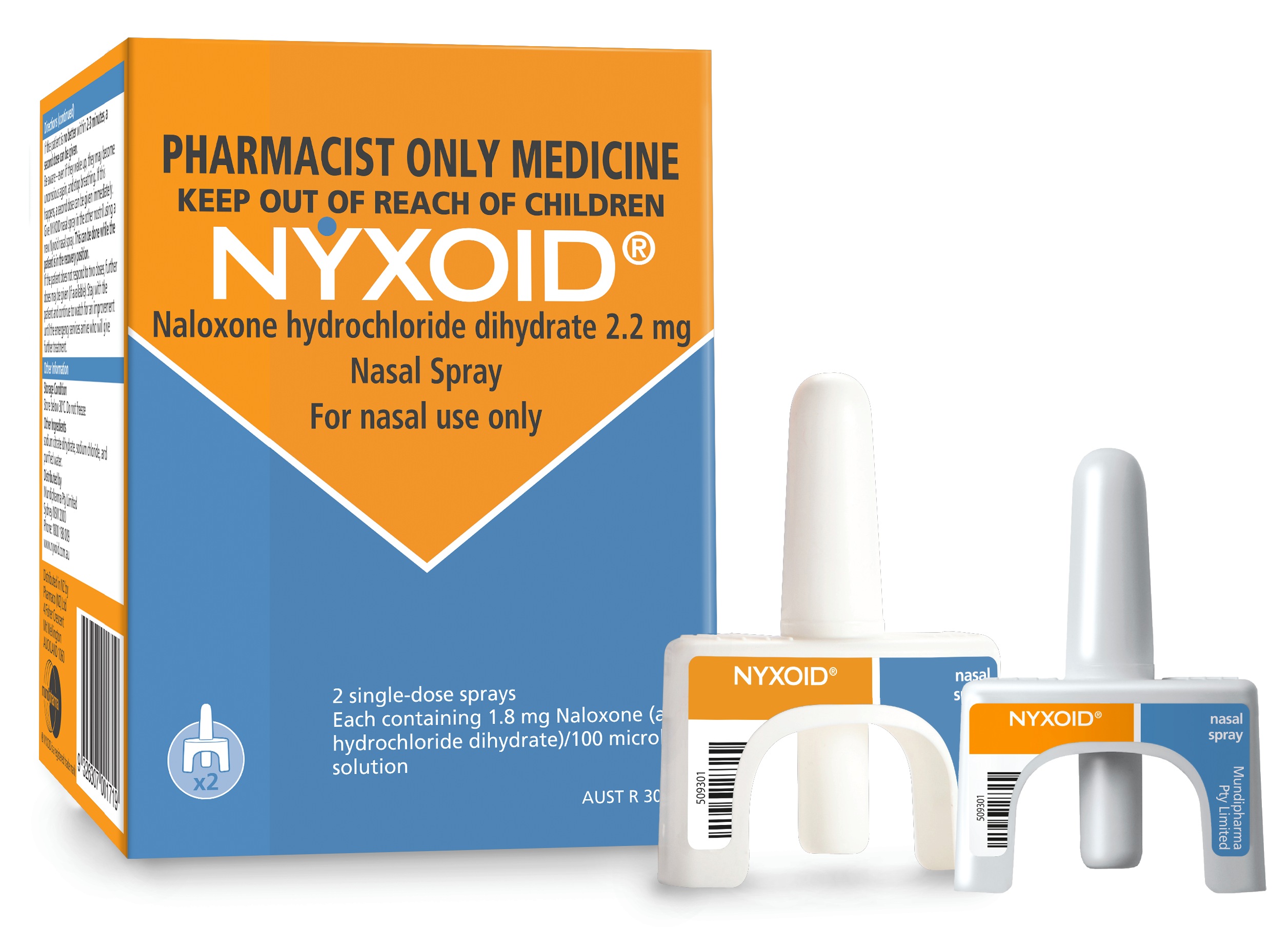
Naloxone temporarily reverses life-threatening opioid overdoses (including heroin, fentanyl, oxycodone, and nitazenes). It is completely non-addictive and harmless if given when no opioids are present. If you are in doubt it is better to give Naloxone than not.
Step-by-step clinical protocol for life-saving intervention. Tap each dot to know your next step.
Available free with no prescription, no cost, and no Medicare card required.
Comprehensive clinical and harm reduction guides based on the Drug Wheel. Filter by category, explore pharmacokinetics, onset, peak, duration, and key safety measures.
Photos show examples only. Appearance cannot confirm contents, purity or strength. Mushroom photos are not an identification guide.
Mixing substances can be intentional or unplanned. Either way, mixing different substances with each other or with alcohol is a leading cause of drug and alcohol related harm, hospitalisations and accidental death. Use the interactive checker to understand the risks by selecting two substances.
The following tools can help you provide CPR in an emergency situation, keep you hydrated and make sure you know what you have last taken and when.
When performing chest compressions on an unresponsive person who is not breathing, compress hard and fast in the center of the chest at 100 to 120 compressions per minute. Always remember any CPR is good CPR. If someone is not breathing do not wait. Commence CPR. The metronome will give you a rhythm to do chest compressions. Start the metronome, place it beside the unconscious person and follow the beats.
ANZCOR Guidelines
Guideline: 250ml/hour (resting) or 500ml/hour (dancing). Avoid drinking excessive plain water on MDMA!
Track time elapsed to prevent compulsive or premature redosing before full onset.
Your experience of a substance is complex and individual. However, it is strongly influenced by the substance itself, your mindset and your setting. Substance factors include the type, purity and how much you have taken. Mindset is how you feel at the time you take it. Setting includes the time, location, people around you and other environmental factors.
Move the sliders to explore how substance, mindset and setting can change an experience.
A safer, more predictable experience.
This tool helps you consider risk. A lower-risk setting does not make substance use safe, and any one factor can carry serious risk. Using any substance alone carries additional risk and reduces the possibility of you receiving help if help is required.